We discuss: Graphics design, Web hacking/cheats and web design, Full blogging gists, Health and Fitness, sports and recreations, More gists and stories, News and updates, Gossips and lifestyle, entertainment and inspirations..
DOJ Announced Indictment of Russian Intelligence Officers for Election Hacking Offenses
The Department of Justice has announced that a District of Columbia grand jury has indicted 12 Russian nationals for committing federal crimes interfere with the 2016 U.S. presidential election. According to reports, all 12 are members of the GRU, a Russian Federation intelligence agency within the Russian military, hacked into the computer networks of the Democratic Congressional Campaign Committee, the Democratic National Committee and Clinton presidential campaign.
“The Internet allows foreign adversaries to attack America in new and unexpected ways,” said Deputy Attorney General Rod J. Rosenstein. “Together with our law enforcement partners, the Department of Justice is resolute in its commitment to locate, identify and seek to bring to justice anyone who interferes with American elections. Free and fair elections are hard-fought and contentious, and there will always be adversaries who work to exacerbate domestic differences and try to confuse, divide, and conquer us. So long as we are united in our commitment to the shared values enshrined in the Constitution, they will not succeed.”
According to the Department of Justice, in 2016 officials began spearphishing volunteers and employees of the presidential campaign of Hillary Clinton, including the campaign’s chairman. According to FTC defense lawyer Richard B. Newman, spearphishing is a hacking trick whereby individuals are targeted to reveal information that can be used to infiltrate a company or government agency.
The DoJ press release states that they were then able to steal usernames and passwords for individuals to steal email content and hack into other computers. The DoJ has also stated that they were able to hack into the computer networks of the Democratic Congressional Campaign Committee and the Democratic National Committee through these spearphishing techniques to steal emails and documents, monitor computer activity of employees and implant malicious computer code to steal passwords.
The DoJ also states that the plan was to release stolen documents for the purpose of interfering with the 2016 presidential election. The release was on a website that claimed to be “American hacktivists” and used via social media accounts with fictitious names. After public accusations that the Russian government was behind the hacking of DNC and DCCC computers, the DoJ reports that the defendants created a fictitious persona who claimed to be a Romanian hacker in the hopes of undermining the allegations of Russian involvement.
Reports are that there were plans to hack into the computers of state boards of elections, secretaries of state, and US companies that supplied software and other technology related to the administration of elections to steal voter data.
In order to avoid detection, reports are that defendants used false identities while using a network of computers located around the world, including the United States, paid for with cryptocurrency through mining bitcoin and other means intended to obscure the origin of the funds.
The indictment includes 11 criminal counts.
Count One alleges a criminal conspiracy to commit an offense against the United States through cyber operations by the GRU that involved the staged release of stolen documents for the purpose of interfering with the 2016 president election. Counts Two through Nine charge aggravated identity theft for using identification belonging to eight victims to further their computer fraud scheme. Count Ten alleges a conspiracy to launder money in which the defendants laundered the equivalent of more than $95,000 by transferring the money that they used to purchase servers and to fund other costs related to their hacking activities through cryptocurrencies such as bitcoin. Count Eleven charges conspiracy to commit an offense against the United States by attempting to hack into the computers of state boards of elections, secretaries of state, and US companies that supplied software and other technology related to the administration of elections.
There is no allegation in the indictment that any American was a knowing participant in the alleged unlawful activity or knew they were communicating with Russian intelligence officers. There is also no allegation in the indictment that the charged conduct altered the vote count or changed the outcome of the 2016 election.
Richard B. Newman is an advertising compliance lawyer and FTC defense attorney at Hinch Newman LLP focusing on advertising and digital media matters. You can visit his firms FTC ad law website at https://ftcdefenselawyer.com/ or following him on LinkedIn.
Informational purposes only. Not legal advice. Always seek the advice of an attorney. Previous case results do not guarantee similar future result. Hinch Newman LLP | 40 Wall St., 35th Floor, New York, NY 10005 | (212) 756-8777.
If you're struggling to drive urgency in your business, here are three ways to do it
4 min read
Opinions expressed by Entrepreneur contributors are their own.
We’ve all seen those infomercials -- the ones that urge us to call in to buy a blender or a mop or some other kind of gadget. If we call in the next 20 minutes, we’ll receive two for the price of one. Somehow, against my better judgment, I find myself thinking about calling in to cash in on the deal. But why?
It’s because those infomercials are all about urgency. You can use the same tactic to drive sales to your business, too.
Establishing urgency gives your customers a reason to act quickly. Their instinct is to take their time and think about the decision. But by throwing urgency into the mix, you’re eliminating the customer’s ability to think too hard or wait too long to buy.
But creating that sense of urgency isn’t always easy. Research from Hubspot finds that establishing urgency is the top challenge today’s salespeople face. If you’re struggling to drive urgency in your business, here are three ways to do it.
1. Establish scarcity
The more there is of an item, the less motivated we are to go out and get it. But if that item is scarce (or perceived as scarce), its value increases.
Think of the iPhone. How many people do you know who run out to get the newest iPhone on the day of its release? They stand in line for hours, wanting to be one of the first to have the new product, and knowing that eventually the store is going to run out of iPhones - at least until they get another shipment. But that won’t be for months.
That new model iPhone is perceived as scarce. There aren’t many of them, and time is running out to get one, so your purchase decision needs to be made quickly. The same idea can be applied to your products or services. Perhaps you only offer a limited number of products or you only open registration for your event for a limited time. With the window of opportunity much smaller, your prospects will be more likely to buy.
Establishing urgency doesn’t always have to be about scarcity, though. You can create a sense of urgency by understanding, from the customer's point of view, why they need the product now. This goes back to understanding your customers’ needs, which you need to know to sell anything to them. You need to get to the bottom of what makes your customers tick and what their pain points are. Then you can focus on how your products or services offer a solution.
The customer is always asking “What’s in it for me?” When they hear how your product or service aligns with their needs, they are persuaded to act. To the customer, their problems are urgent, and if you offer a way to solve them, they’ll be more likely to trust you and buy from you.
As humans, we tend to avoid negative consequences no matter what. This "loss aversion" means we’ll do whatever it takes to avoid dangerous situations, losing the things we love or any other negative consequence. In fact, the desire not to lose is often greater than the desire to gain.
In sales, focusing on the consequences of not buying can have a great effect on a prospect’s decision to buy. You may choose to show how much money the prospect could lose if they don’t invest in your product or service, or how flawed their current processes are and how inefficient their business is. Whatever it is, focusing on the negative instead of the positive will have a psychological influence on your prospects, which will lead them to a purchase decision faster.
Pepsi made headlines in 2008 when it decided to spend over $1 million redesigning its logo. This was a fresh reminder to businesses all over the world just how important a good logo really is.
Strangely, many online businesses don’t seem to have gotten the memo. Many digital marketers don’t have any logo at all. Others hacked something together that doesn’t communicate the core essence of their brand.
Your logo plays a very important role in your brand positioning. It is also one of the most visible parts of your website and other web properties. UX experiments show that 36% of website visitors will click the company logo to visit the homepage, because is the most prominent part of the site.
Why is a logo important for your online business?
Here are some things that you need to understand about logos and digital marketing.
Every online business needs a logo
Yes, every single business needs a logo. Too many online businesses think they are the exception.
Bloggers and affiliate marketers are particularly likely to think that they don’t need a logo. Since they aren’t actively selling their own products and services, they believe that they can get by without it. This is a big mistake.
When you have any type of online business model, your reputation is going to make or break your success. You may not be selling your own products as an affiliate marketer, but you still need to earn the trust of your website visitors before you can convert them by promoting another brand’s. Having a professional logo helps establish trust by showing that you are a serious entrepreneur that intends to stick around for the long term.
When hiring an outside logo design agency, it’s important to make sure you know what type of logo and design work you want to have done. Not only should you have a concept and idea in mind, you should also be aware of the services out there, and the associated costs with each. DesignBro.com recommends the following, and actually provides all of these services and design requirements within each logo job they take on:
Up to 10 suggested designs from professional logo designers. Only see the best designs – forget about clutter.
A closed competition: Designers cannot see the other designs. This stimulates more unique & creative content while avoiding simple variations and blatant copies.
Own your design with full legal copyright.
Receive files in relevant formats; suitable for online & print purposes (.ai, pdf, jpg, and png)
No matter if your business or brand is completely online or offline, you should have your logo and design files available in all formats and sizes. You never know when you might want to print out business brochures, business cards, or place your new logo design on your site or within social media.
A strong logo helps create a more seamless marketing funnel
Have you ever clicked an online ad on Facebook, Google or another site, only to be disappointed with the landing page that you saw? The problem is often that the advertiser didn’t provide a consistent funnel. The initial ad needs to set the expectations for visitors before they see your landing page. If you are getting users to subscribe to an email list, your ad and landing page need to make sure that your subscribers know what to expect when they start receiving emails from you.
A perfect example of this can be seen in the ad placements above. While the logos aren’t actually shown on Google, they will be displayed on the landing pages after the ads are clicked. Having a well-known and recognized brand identity only further improves the chances of higher conversions and gaining the trust of your audience. You can see more examples of how this can be done across multiple platforms and social media, in this article.
Keeping your message is consistent is essential. However, explicit, written statements aren’t the only part of the message that you need to pay attention to. Other visual cues can subconsciously convey messages that you may not even be aware of. It is important to make sure that these visual elements are as consistent as possible between every stage of your funnel. Using your logo in your ads, landing pages and email newsletters helps establish that consistency.
A good logo will convey the emotions that you want your brand to resonate
Every brand is unique. Every brand wants to build a different type of emotional connection with its customers. Creating a logo that matches the emotions you want your customers to feel is important part of the process.
Don’t settle on a logo just because it looks nice or would work well for another brand. It must match the connection you want your customers to have with your company.
Developing the perfect logo for your digital brand
As a digital marketer, you can’t afford to use a poor logo for your website, social media profiles or marketing creatives. Offline businesses can often make up for having a poor logo with their charismatic personality, community involvement and recommendations from trusted colleagues. That is a luxury that online marketers simply do not have.
Unfortunately, many potential customers are not going to give you a second chance if you don’t make a good first impression. Many website visitors will click the back button and never return.
This means that you need to use a great logo from the very beginning. Here are some things to keep in mind.
1 – Know who your customers actually are
Digital marketers don’t have the same face-to-face connection with their customers that local businesses do. This means that they don’t know as much about them. They may even make erroneous assumptions about their demographics.
Don’t make uninformed assumptions about your target demographic. Do your research and make sure your logo conforms to their standards.
2 – Don’t use low quality logo design services
I can’t stress this enough – you do not want to hire a low-quality expert to come up with a logo for you. They will usually hack something together that doesn’t look very professional. They may even plagiarize another brand’s logo, which is going to be even worse.
If you don’t have a large budget, you may want to look into using a free browser-based logo creator, which in many cases are free to play around and will give you a good idea on how you might want to map out your professional logo design. You will need to be a little more involved in the design process, but it will definitely be worth it in the long run.
3 – Consider using a focus group to look at your final logo design
You may fall in love with your new logo. That doesn’t mean that your customers are going to like it though.
It is a good idea to have people that match your target demographic take a look at it. You may even want to organize a focus group for them to give their input.
4 – Don’t make your logo too fancy
A lot of marketers try making the fanciest logo they possibly can. They cram as many contours and colors into it as they can. Their goal is to impress their customers, which is usually counterproductive.
Instead, you should try to make your logo as simple as possible. Your goal is to make sure customers remember it easily and understand your core message. Having a slick logo with few design elements is usually the best way to do this.
Your online business begins with your logo
Take a look at each of the logo designs above. What do they have in common?
Besides being well-known and recognized by almost everyone… they also don’t have any words or names on their logos. This is something every brand in the world wishes they could accomplish!
While your brand on business might never reach this level, your logo is the centerpiece of your brand. It quickly communicates the central message behind your entire company. Dedicate the time and resources to develop a logo that aligns with your branding goals. It will be one of the best investments that you ever make.
When looking to create a logo design or identity for your brand, be sure to consider all of the points we mentioned in this article.
Whether you are fresh out of college and looking for your first job, or whether you’re tired of your current job and need a replacement job, some job hunting techniques are bound to give you an edge. The following are five seemingly-simple but highly effective job hunting techniques that will inch you closer to your dream job.
1. Spend more time on your resume
Your resume is likely to influence your chances of getting hired more than anything else. Research shows that the average recruiter will spend about 3.14 minutes reading your resume and will make up his/her mind about whether to hire you within the first minute of reading your resume. Consequently, 1 in 5 recruiters will reject a candidate before they’ve finished reading the candidate’s resume.
In essence, your resume can make or break your job prospects -- which means you probably should be spending more time on it. Here are some quick tips:
Carefully proofread and edit your resume: research shows that 59 percent of recruiters will reject a candidate because of poor grammar or spelling errors -- since this is usually indicative of sloppiness and a candidate’s lack of attention to details.
Keep it simple and to the point: Avoid trying to be too clever. Just go straight to the point and keep things simple. Research shows that more than half of recruiters reject candidates due to overuse of cliches or trying to be too clever. The same goes for design: more than 40 percent of recruiters reject candidates due to too much design, inappropriate fonts, clip art images, or emojis. Just keep it simple.
2. Employ the use of multiple resumes
Many job seekers are of the impression that a resume has to be fixed and consistent across all job search efforts. Not necessarily. If you haven’t been using it yet, having multiple resumes could give you an edge when it comes to getting your dream job.
Having multiple resumes can come in handy in several scenarios. For example, you might be looking for a different position in the same industry or the same position in different industries. You might also be considering an option that allows you to telecommute. Your resume should include relevant information that indicates the fact that you are qualified for the position or nature of job you are interested in. Instead of having to modify your resume with each new job application (increasing the chances of mistakes and errors -- which can affect your job prospects as earlier indicated), you can simply employ the use of multiple resumes.
3. Get an insider recommendation
Another seemingly-simple, but highly-effective way to get your dream job is by getting an insider recommendation. With an insider recommendation, the odds are stacked in your favor for getting your dream job.
Around a third of external hires in organizations are attributed to referrals.
80 percent of jobs are not posted online.
In essence, not only are you highly unlikely to be aware of most job openings in your dream organization because they won’t be posted online, but the hiring decision will be heavily skewed in favor of people who are referred by someone already working at the hiring organization.
If you are interested in working at an organization and have a point of contact at that organization, don’t wait for a job posting to be made. Ask for a referral to the people making hiring decisions and make your case.
4. Work on your email game
It’s often difficult to see the connection between your email skills and your possibility of getting hired, but experience and research show that your email game matters a great deal. According to research from CareerBuilder, over 20 percent of hiring managers will not hire a job candidate that did not send a thank you email after a job.
In other words, even if your job application process didn’t take place online, finding the email address of your hiring manager and sending a simple thank you email after being interviewed can inch you closer to your dream job.
If, on the other hand, your job application process involves using email, here are some tips for you:
Ensure your email is personalized and sent to the right person: this shows you’ve done your groundwork and will give you an edge. Research also shows that personalized emails tend to get more opens and responses.
Use the KISS principle: keep both your email subject line and body short and simple. A study involving 1,000 executives in Fortune 500 and Inc 500 companies found that simple, clear, and curiosity-driven subject lines result in more email opens than longer subject lines.
Don’t delay your follow up. If you don’t hear back after 48 hours, follow up. A study by the USC Viterbi School of Engineering, that analyzed 16 billion emails, found that 90 percent of people who don’t respond to your email within 48 hours are unlikely to ever respond. In other words, if it’s been two days and you haven’t heard back then you’re unlikely to hear back -- follow up!
5. Create a website demonstrating your ability to function in your desired position
Most job search experts will advise you to polish your LinkedIn resume, get good job experience, and build solid connections to increase your job prospects. Very few, however, will advocate creating a website, yet it can seriously increase your chances of getting your dream job. Just take a look at the following case studies:
Matthew Epstein desperately wanted to work at Google, but he couldn’t get in. He decided to set up a website targeted at Google. The website went viral, resulting in Google getting in touch with him and many other organizations trying to woo him to work with them. While Epstein didn’t get the job at Google, he got so many options and decided to go with the one that appealed to him most.
After creating her website The Book Wheel, Allison Hitz was able to land her dream job. Despite having a Master’s degree, Hitz found out that employers were more interested in her website than in her Master’s degree.
Eventual success shows how mishaps are simply stepping stones.
2 min read
Opinions expressed by Entrepreneur contributors are their own.
In this video, John Suh, the founder of LegalZoom, talks with Entrepreneur Network partner Business Rockstars about how entrepreneurs are just like many people -- they want to solve problems. The difference for him and other entrepreneurs is the pain he feels from unsolved problems.
If he could give his younger self advice, he would not change a thing. Making mistakes is one of the main learning experiences he would keep. The journey of screwing up helped Suh's business and Suh himself develop. For Suh, receiving advice is reflective of wanting to change your reality -- a move Suh is not interested in making. He believes that every mistake LegalZoom made early on contributed to the company's current success. It's an argument for the journey being greater than the destination.
To hear more from Business Rockstar's interview with Suh, click the video.
Entrepreneur Network is a premium video network providing entertainment, education and inspiration from successful entrepreneurs and thought leaders. We provide expertise and opportunities to accelerate brand growth and effectively monetize video and audio content distributed across all digital platforms for the business genre.
EN is partnered with hundreds of top YouTube channels in the business vertical. Watch video from our network partners on demand onRoku, Apple TV and the Entrepreneur App available on iOS and Android devices.
Click here to become a part of this growing video network.
The sales team knows that closing deals is what makes the company go. You want everyone on the team to know that, too.
16 min read
Opinions expressed by Entrepreneur contributors are their own.
Ask any businessman which is more important, their product or how it’s sold, and you’re likely to get a long explanation on why product takes the cake any day of the week. They are not wrong. You don’t have a business if there was nothing to sell.
But, as we enter an era of hypercompetition, how we sell has become at least as important, if not more important. than the product itself. There is barely any industry that isn’t exploding with products and/or services. From healthcare to IT to eateries, we are swamped with endless options. A simple search for SaaS companies in Crunchbase alone returns over 9,600 hits!
And that’s only a tiny fraction of the total number of vendors out there. Being outcompeted and cash-flow problems are the main reasons cited by companies that fail in annot survive their first few years.
Image credit: insurancequotes.com
People in sales are acutely aware of both those challenges and many more. They are also the ones who are best equipped to tackle those problems, which might be why 15 percent Fortune 500 CEOs started in sales. Sales made realists out of them. They know what works, what doesn’t and they are competitive as hell. Those are the qualities you will need as an entrepreneur.
So, without further ado, here are five skills why sales makes the perfect starting point for your career as an entrepreneur.
Tenacity is what sales people are best known for. It is a well known fact in sales circles that sales is mostly a numbers game -- success is often a process of elimination. We start with a general set of assumptions about how a business should look and work. With each failure, an assumption is ruled out, making the next move slightly better.
Complete this cycle enough times and you are bound to achieve your goal. Salespeople understand this cycle better than anyone. Being persistent is important in business as a sale rarely happens on the first contact.
Obviously, such resilience to adversity is vital to entrepreneurs who have to wade through a lot of failure before succeeding. Here are some ways you can make both yourself and your organization achieve unshaking grit…
Understand that you cannot do it alone: There is this really persistent myth that all the best salespeople (and entrepreneurs) are just flooded with self-motivation. This is just downright false. Everyone needs some help every now and then. Instead of focusing your efforts on simply getting people who seem intrinsically motivated (everyone looks motivated in interviews), your efforts are better spent trying to make a culture of motivation a pervasive part of your organization.
Have occasional meetings with your team: Sooner or later everyone asks - “why me?” When the going gets tough, it’s easy to fall into the trap of thinking you’re the only one facing problems. Giving yourself and your team members a chance to vent frustration and learn that they are not alone can radically help you/them persevere. There is a good reason why the humble sales kickoff remains a pervasive part of modern corporate work culture.
Meetings such as these are remarkably empowering. They help to acknowledge a person’s strengths, overcome their failures and gives everyone the opportunity to celebrate each other’s accomplishments.
Foster healthy competition within your organization: While collaboration and teamwork are important aspects of productivity, every organization needs a competitive spirit to drive progress. But competition, if not managed properly, can devolve into petty office politics and selfish maneuvering. Healthy competition instills a sense of pride and playfulness all while respecting everyone around.
In The Five Dysfunctions of a Team, Patrick Lencioni lists the fear of conflict, which drives people to hold back their opinion out of fear of reprisals as one of the main reasons why teams fail to perform, in turn creating a team of “yes men.”
He instead suggests that a spirit of healthy productive conflict where people debate on the issues they are facing without any fears in order to help the organization achieve its goals.
Think of it as a game: Gamification is all the rage today, and for a good reason, too. It shifts our perspective from interpreting situations as a challenge rather than a threat. Seventy percent of business transformation efforts fail due to lack of engagement. However, you can easily circumvent the hardships by turn a hard task into a game.
Many companies are successfully using gamification to drive business. Airlines issuing frequent flier miles, loyalty programs such as Samsung Nation, the success of Pokemon Go, U.S. Army’s America’s Army all are great examples of gamification being put to good use. Workplace gamification can be used to drive up productivity. Consider the following...
Focus on small wins: Teresa Amabile, Baker Foundation professor at Harvard Business School in her article The Power of Small Wins notes the results of a study of 12,000 diary entries from 238 employees in seven companies.
Amabile found that the employees who journaled their experiences and tracked their successes reported a much higher rate of motivation. She explains that the practice of recording our wins, no matter how small actuates the reward circuitry of our brains which results in feelings of pride and accomplishment.
Remember how cashflow can be a problem for a new startup? Impressing investors to back your idea is just about the hardest thing there is, and for a good reason too. Investors are approached all the time by founders who promise quick returns on their investments. Most fail to deliver.
Image credit: Advisorabbate
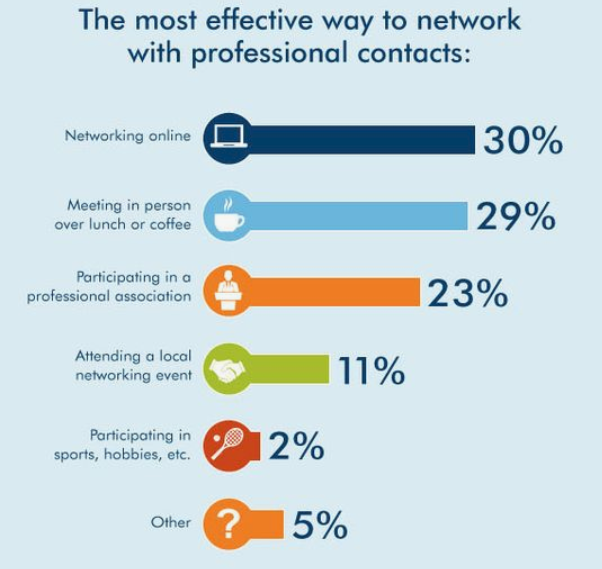
To become a better networker, you need to have a plan. First, identify all the places where your prospects or investors like to hang out. Many professional networking places are good options. These include…
While professional spaces are nice, informal networking is a better option as people are not thinking about work there.
Image credit: Pinterest
Consider going to...
Sporting events: Sharing a sporting passion with someone is a great way to open a conversation with them.
Gym/Yoga/Pilates/MMA Classes: Try helping someone out with their bench-press, then strike up a conversation with them. You could consider opening with - “Well, my work has been giving me hell so, I need to blow off some steam here.”
Book clubs: Often organize meetings to discuss new books. You won’t even need an ice-breaker here.
Charity organizations: Many businessmen and investors donate to and visit charities regularly. Talking to them about issues the charity deals with is a great way to build a relationship with them.
Social media: Are you member of any group that deals with areas of interests specific to your business? If not, then join them and start conversing with people on them. You can also create your own groups and communities and invite people to them.
Networking is an easy thing to mess up. Keep in mind the following:
Don’t make it all about you: Whatever you do, don’t approach people with the intention of taking something. Instead, try and find out what problems they are dealing with and then offer to help.
Know your story: Don’t be afraid to share your challenges, triumphs and failures once you become comfortable with someone. Doing so will help you build your own personal brand.
Be clear on your USP: When the time to tell people what you do does arrive, be sure of what you are offering. You should be able to boil down your USP to - “I work with [target market] to help them solve [their problem].”
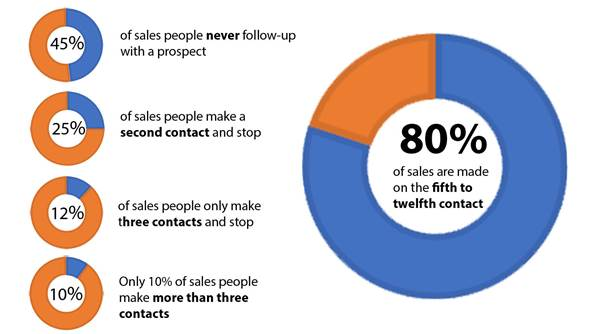
Follow-up: 80% sales require at least 5 follow-ups after a meeting. Add your contacts on social media, send interesting, helpful content and respond to their posts to keep in touch with them.
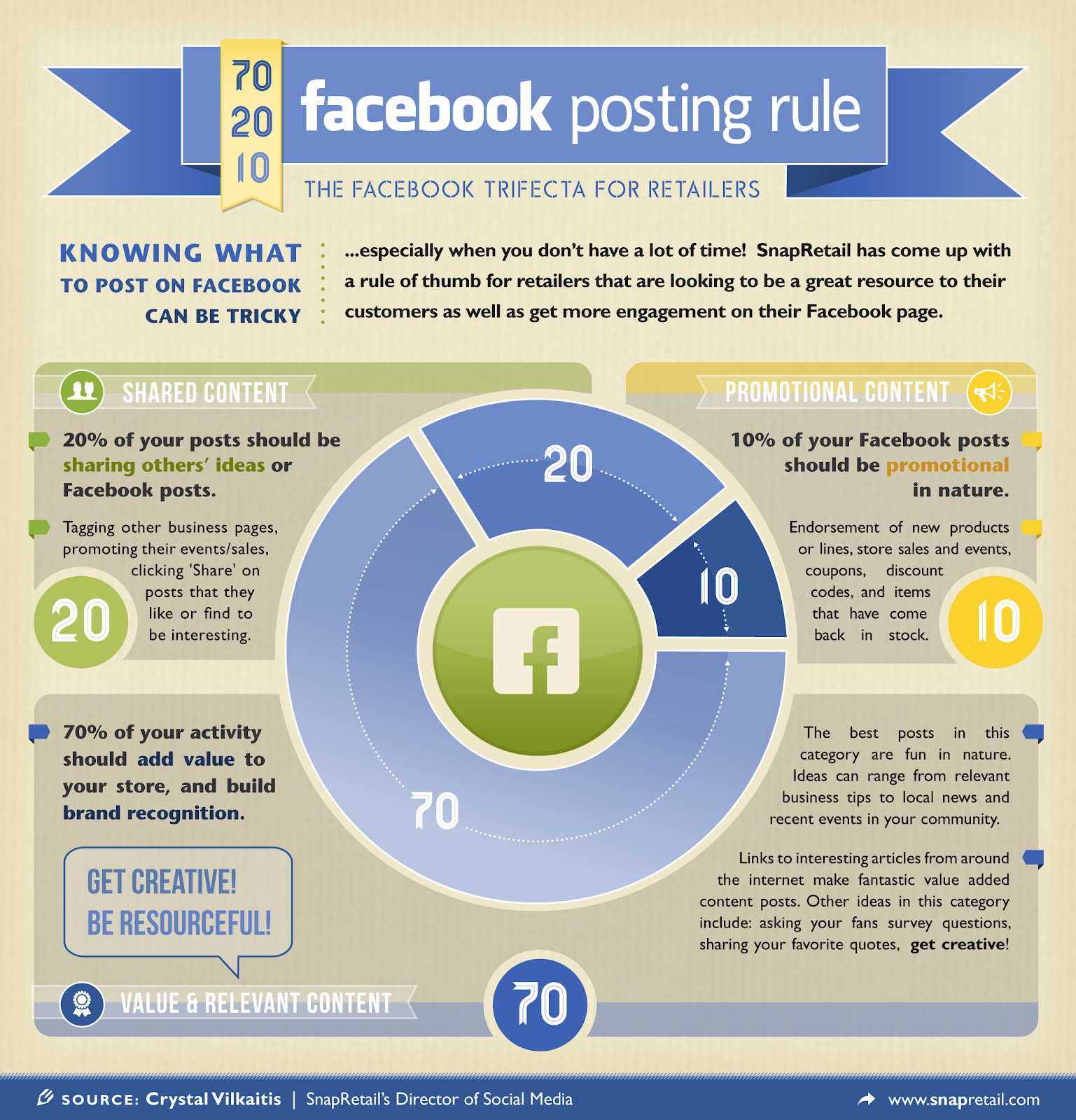
Follow the 70-20-10 rule of content sharing: While the rule is for sharing content on social media, it will help you build your personal brand as well.
Develop a thick skin: You will be hearing “no” a lot. Get used to it and never take it personally.
Leverage your team’s networks: Everyone you know will have their own networks. Ask your employees or partners to provide referrals whenever possible.
Persuasion is the ability to get other people to see your point of view and agree with you. Suffice to say, it is an extremely important skill and one that you will need in your entrepreneurial kitty if you want your business to survive.
A study of 17,000 serial entrepreneurs by Target Training International found that persuasiveness is rated as the number one skill.
Fortunately, persuasion can be mastered as well. Here’s how to...
To persuade, you need to focus on what’s important to your prospect, not yourself.
Go out of your way to help your prospects: In doing so, you can tap into the reciprocity norm, which states that people feel strongly indebted to those who help them.
Position yourself as a thought-leader: Think of yourself as a provider of solutions. Publishing interesting and insightful content that solves problems is a great way to build a loyal audience.
Share both the positive and the negative: When it sounds too good to be true, it usually is. In which case, showing you are aware of potential drawbacks will help you win confidence. You can always follow it up with how they can overcome said drawbacks, too.
Understand context and timing: Even the most well-crafted elevator pitch will fail if it is irrelevant. Framing your communication such that it fits your prospect’s situation will make it more relatable, therefore persuasive.
Timing is obviously very important here. Try and find out what your prospect’s current challenges are how your solutions can assist them.
Compliment your prospects: Circles back to the reciprocity norm. Did you know that complimenting someone had the same effect as giving them a gift?
Don’t be afraid to speak out: Being a little cocky can actually help you win someone’s approval.
People automatically assume that confident people know what they are talking about.
Brett Cohen, a Youtuber for instance, dressed up as a celebrity and went out on a walk in New York City to see how people would react to his presence. The result was shocking and hilarious!
While not exactly a double blind study, his social experiment is a perfect example of how a little confidence in the right context can go a long way to helping you persuade others.
You will learn to set realistic goals and achieve them consistently.
All entrepreneurs know the importance of setting goals. Heck, everyone today does. But whether they actually achieve them is a totally different story. A study by University of Scranton found that 92 percent of people never achieve their New Years goals. Their goals are either not specific, too ambitious or not in alignment with the person.
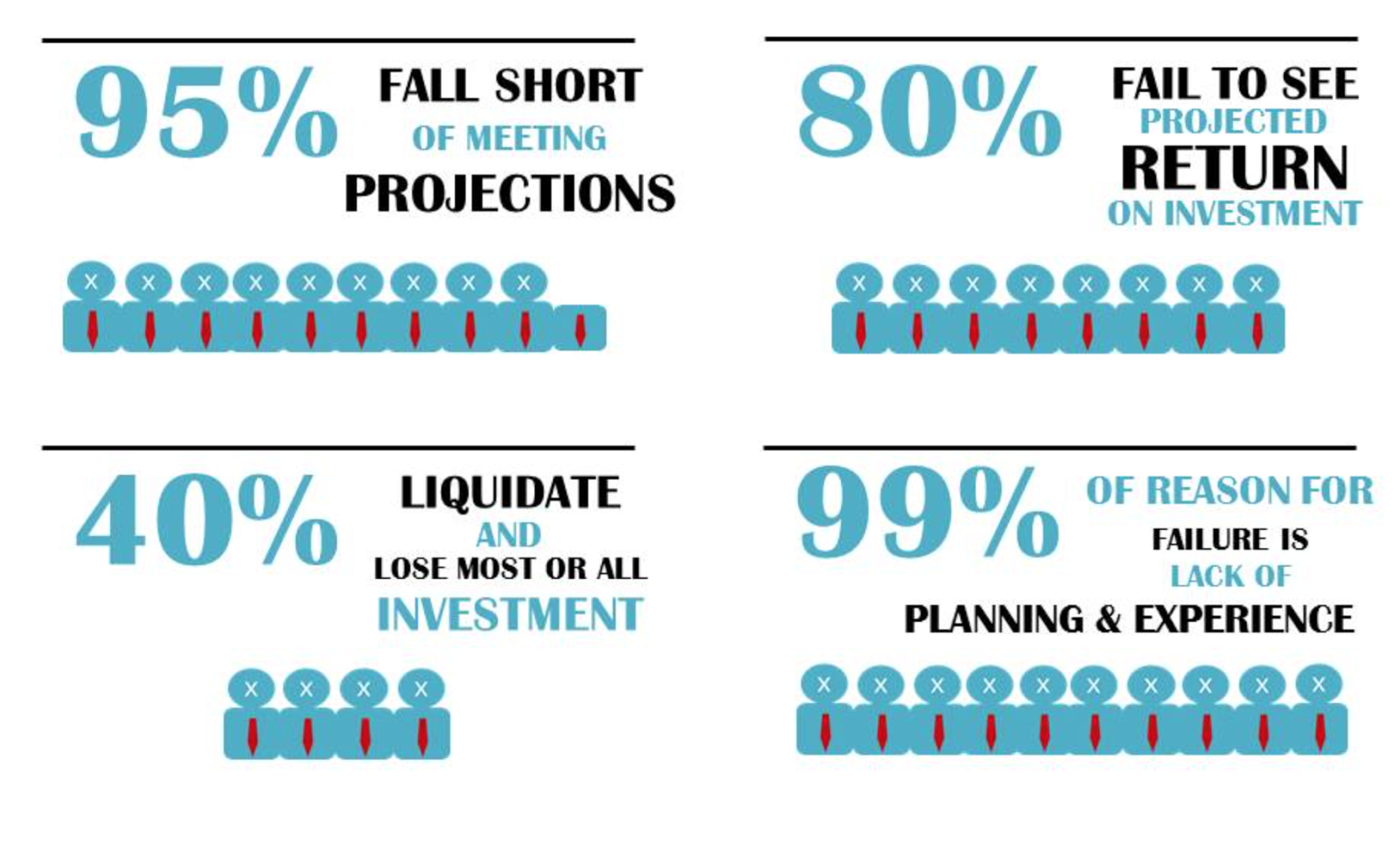
The same applies in business as well. While there are many reasons given for a startup’s failure, it invariably boils down to a lack of planning or foresight.
Salespersons understand the need to set smart, realistic goals early on and turn it into a process.
Because they are constantly under pressure to perform, their goal setting skills are refined to a very high degree, too.
Typically, businesses require goals, KPIs and targets in order to function properly.
Goal refer to the general objective you are trying to achieve. For example - increasing profit margin.
KPI or Key Performance Indicators are metrics that tell you whether you are moving in the right direction. For example - a company’s Client Acquisition Rate.
Target refers to the benchmark you are trying to achieve against a KPI. For example - acquiring 10 new clients per month.
Salespeople have their own goals, KPIs and targets which they achieve over and over again. Since their commissions are tied to performance, their goals tend to take a lot more tangible form.
As a business person, you need to break down your goal into concrete, measurable indices that your team understands and pursues. Constantly measuring whether your company is on track is the only way to ensure your goals are consistently achieved.
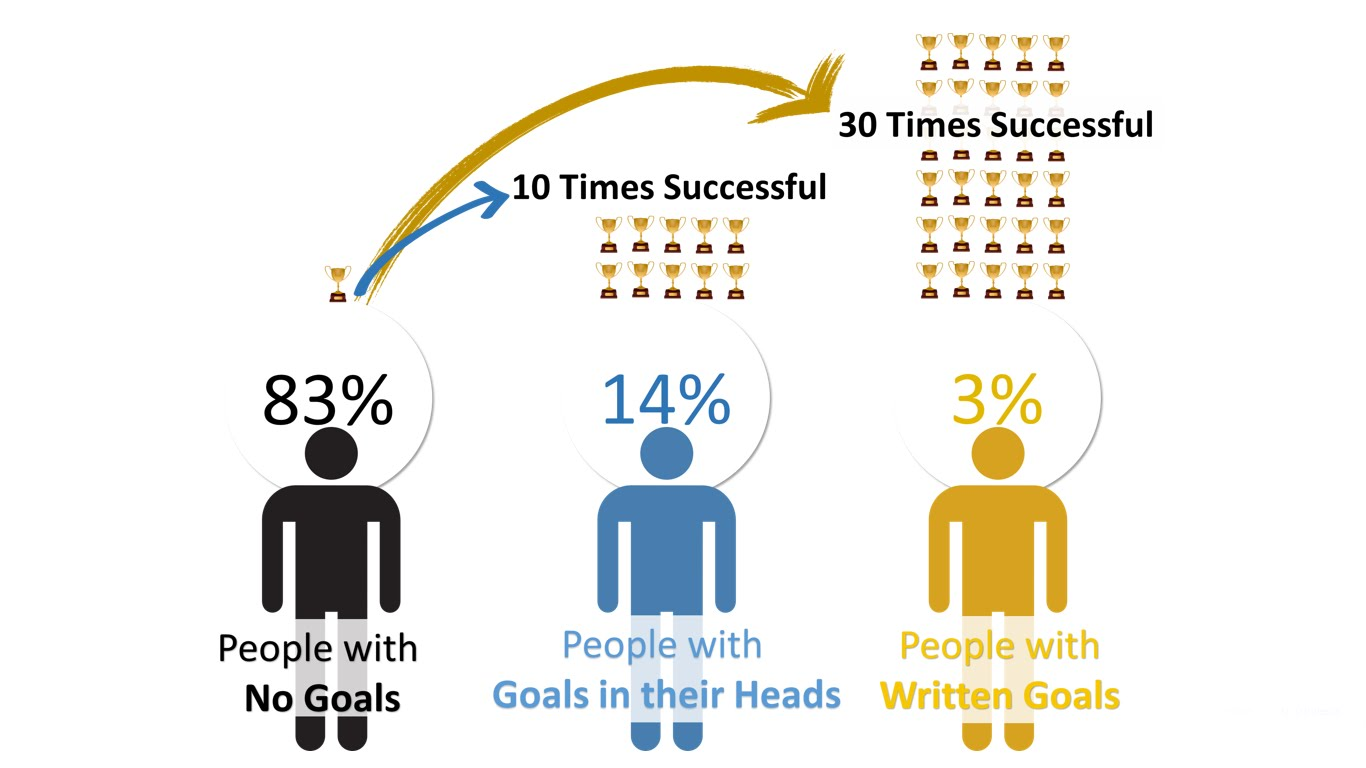
The first art you should master is making a habit out of writing down your goals.
Image credit: Financesonline.com
Seeing your goals in front of you is strangely empowering and gives them a very concrete feel.
Some people like to write a post dated check for themselves, while others simply write it down on the back of a napkin. Whatever your prefered method is, make sure it is something you can see every day.
Relevant (Realistic, it helps you achieve your objectives)
Time Bound (There is a time limit within which it should be attained)
Your goals should be specific.
Be very clear on what actions that you need to take in order to achieve your goals. Consider asking...
What is to be attained? How it is to be obtained? Who all will be involved? Which resources will be used?
Your goals should be measurable. There should be a starting point and an endpoint for each goal. This is where KPIs can help you out. By defining realistic KPIs and measuring them, you can keep a close eye on your progress.
Your goals should be achievable. While optimism is great, each step of your goal should be within your reach. That’s not to say that your goals shouldn’t be challenging.
Questions to consider...How you could achieve your goals? How long it will take to achieve them?
Your goals should be relevant. Relevance can be both personal as well with respect to your company. Are your actions actually helping you fulfill your desires, or, taking your company in the direction that you want?
Your goals should be timely. Open-ended goals have a way of becoming unimportant. Putting a time limit on your objectives makes them a lot more real while providing a challenge to you. However, ambitious time limits can hurt rather than help your business. The best way to figure out how much time you need is to look back at the amount of time you required to complete a similar activity.
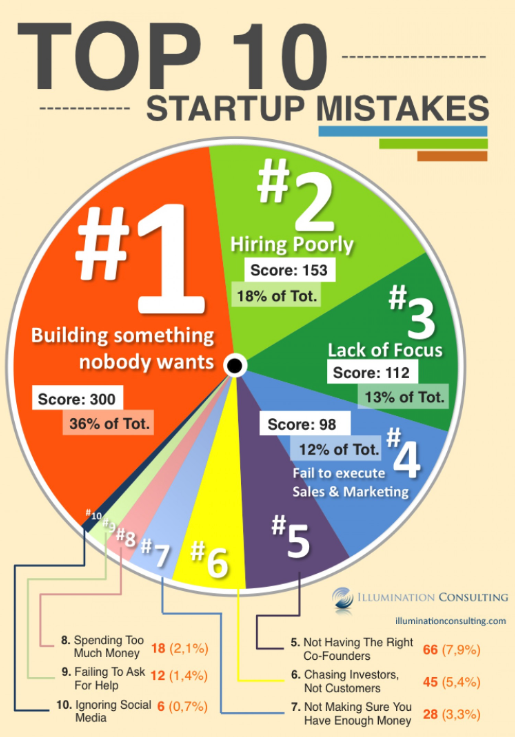
By far the biggest reason why startups fail is because they have a product that no one wants. That’s just another way of saying that most entrepreneurs are utterly detached from their respective target markets.
Sure, everyone thinks that their idea can change the world. But do they actually have the data to back that hunch up? While you can always run your own market research or hire a company to do it for you, nothing beats on the ground, first hand experience.
As salespeople are the ones responsible for promoting the product, they know their customer’s evaluation, objections and potential upgrades. Many companies rely on insights from their sales teams in product development.
Truly innovative companies try their best to engender collaboration between sales, customer relations and product development teams. In doing so they not only allow new ideas to flow quicker, but remain grounded in their approach as well.
Letting the users know that their feedback was taken into account empowers them and can help you develop a deeper rapport with them.
Uservoice in their survey - The Influence of Customer Feedback on the Product Development Cycle, found that product teams considered feedback from customer relationship and sales teams the most vital.
Image credit: Uservoice.com
By starting out in sales, you will already have a good idea on what direction to take.
With the US economy already back from the 2008 recession, we are again seeing an increase in startup activity. Trends in Europe and Asia are taking a similar route.
Not only are more people expressing interest in starting a business, but governments are starting initiatives to support them as well. In other words, it has never been a better time to be an entrepreneur. Startups are rebounding and the trend is expected to continue. While the development is a boon for the economy, it also means first time businesspeople can expect increased competition.
Consequently, it is best to arm yourself with the right tools for the job before even getting into it. For those looking for a career as an entrepreneur, sales remains a great starting point. It can help new entrepreneurs gain crucial skills in overcoming the very challenges that cripple most startups.
Remember, most of your competitors will probably not consider taking the same line, giving you will a massive head-start. You can eliminate many assumptions very early in your career while your competition grapples with them. Sales experience offers many more benefits than the points covered above as well…
You learn to work with a wide number of people regardless of your “type.”
You will gain a zen like mastery over your time.
You will become an expert in closing.
You will become more realistic in your approach.
Even if you choose not to pursue a career in entrepreneurship, sales experience can be utterly rewarding in it’s own right. Not to mention, it can open doors to other career options, too.
When you think of social media, your mind likely turns to platforms like Facebook, Twitter, and LinkedIn. The problem is that you are probably only looking at social media as means of networking with other users on a personal level. As blog owners, entrepreneurs, and brand promoters, we need to be looking at social media as a way to expand our reach, bolster our brand equity, and grow our business – and nothing else.
With this direct approach in mind, we can start spending less time on social media as just a regular user and more as a customer acquisition professional who makes the most of what social media has to offer holistically.
Today, we are going to look at some of the best ways to accomplish this through Smarp, an online platform and social media tool designed to empower employees with pertinent content and encourages them to communicate and share their knowledge both within and beyond their own networks. It’s about sharing knowledge and attaining measurable results.
What does social media mean to you?
Social media has completely changed the way people use the internet and connect with others around the world. The same is true with online businesses and brands, but the temptation for procrastination on social media is significant. It’s very easy to get distracted, so it is of utmost importance that workers focus only on the work that actually moves the needle. They need to cut through the clutter.
This is where a solution like Smarp comes into play. It serves as “an internal content hub for employee engagement and advocacy.” What this means is that it offers the same kind of connectedness that its users get on a social network, but it can limit these updates and conversations to those within a private community or organization.
Team members share company and industry news, discuss ways to move forward, and act as brand ambassadors. By sharing out content about their employer, its products and industry trends, employees can build their own personal brands in a manner that helps build company awareness, brand equity and even drive relevant traffic.
Brands like MuleSoft, BNI, Senergy and thousands of others are already implementing this type of technology into their own organizations to increase employee advocacy, while also creating a better and more engaging online work environment in the process.
Just like regular social media platforms have active news feeds that are always updating, Smarp supports a custom built community for organizations of all sizes. News feeds can be custom tailored with company news, industry news, working tips, corporate blog posts and more. Users can also submit provide updates, and content of their own too.
Why is online engagement important, and how can social media help?
It has been well documented that when workers feel they have a vested interest in a company and its success, they work harder toward achieving their goals. It’s more than just a job when they feel like they belong to a community, and that community’s success is their success.
This kind of mindset greatly encourages higher levels of employee engagement and information sharing among team members, because it’s about achieving objectives together rather than competing with one another.
This makes for a happier and more engaged workplace. And that’s something worth the fight to maintain.
Here are some sobering statistics about the damage associated with disengaged teams, as compiled in a recent Smarp blog post:
Disengaged employees cost companies $450-500 billion each year.
85% of employees are not engaged in the workplace.
81% of employees could leave their job today.
1 in 3 professionals cite boredom as their main reason to leave their jobs.
37% of employees consider recognition as the most important.
Only 29% of employees are happy with career advancement opportunities.
In effect, it is much more costly to deal with employee churn – seeking, hiring, and training new workers to replace those leaving the company – than it is to try and improve current conditions and company culture. With an engaged culture, employees are much more inclined to stay. And this creates a more stable work environment too, unlike the revolving door of high turnover.
As we can see from the Gallup poll below, employee engagement greatly affects key business outcomes. The less a team or group of employees cares about a project or task, the less likely that brand is to find success. Conversely, the more they care, and the more they feel personally invested, the more likely the collective effort will succeed in kind.
Dysfunctional companies with highly regimented information flows are organizations with compromised collective purpose. In situations like these, using a tool like Smarp isn’t unto itself going to conjure a sense of belonging.
But if your company has a cohesive culture that unites people around shared projects, objectives and values, a platform for internal communication and brand advocacy can go a long way. It helps to foster this sense of ownership and togetherness, because it encourages higher levels of engagement and interaction among employees.
Workers are more focused and connected with one another, which in turn helps to reduce turnover rates and boost overall productivity. An informed and connected workforce is a happy workforce.
How can social media help inform your staff?
The concept of social media is nothing new, but the ways in which it can be implemented within an organization are changing all the time. Fostering that deeply felt sense of community through active engagement is important. Keeping those users well informed, educated and trained is another goal that Smarp can help your organization achieve.
Just as wading through the overwhelming noise of mass market social media platforms can be overwhelming, and trying to dig through the mountains of information available online can be equally frustrating. To overcome this, Smarp offers a resource library feature.
It serves as an online directory for learning, training and resource materials for workers and collaborators. Your brand likely already has a lot of premium content in place, but how easy are they to locate? And how often are they actually being read?
Throw a social networking platform into the mix, and not only can all of this content be easily discovered and accessed, it can become a side conversation on its own. It encourages even more discussion and engagement among users as they ask new questions, respond with new comments, and look into how the information can be best implemented in the work that they do.
Is your company ready to go social with advanced and customized software solutions?
Unlike mass-market social networks that lack any sort of real focus and are rife with time-wasting distractions, Smarp has created a platform where team members can share and engage with one another in a supportive environment. The content, both external and internal, is specifically relevant to the organization or community’s goals and vision.
Social media has become an integral part of everyday life for a lot of people and the professional context within an organization should be no different. Brands and management can benefit greatly from a more engaged workforce that feels personally invested in the success of the company. The online social space and business environment powered by the solutions mentioned in this article provide that much needed community and sense of belonging.
Opinions expressed by Entrepreneur contributors are their own.
Anyone who knows me understands my management style is predicated on unconditional love. We need to provide people with a safe place where they can grow, try new things, fail and get stronger and smarter. We need to nurture innovation, and that requires faith in the process of learning from mistakes. It’s a trust thing, and if we trust anyone enough to employ them, we owe them a shot at redemption. That’s what good managers do.
But that trust and freedom to fail also comes with an obligation. So, what should we do when people fail to learn from and correct bad habits -- when they act as if saying, “I’m sorry” is a get-out-of-jail-free card? I call this the “sorry pattern.” I believe it calls for a little tough love and a reminder that bad habits are a choice that carries consequences.
We all have people in our lives who have played the “sorry” card too many times. Maybe we’re guilty ourselves. There’s the person who is habitually late for a meeting and mumbles “sorry” as she slides into her seat. Or the guy who apologizes for exploding his lunch in the communal microwave -- again -- but can’t seem to clean it, ever. Or that brilliant contributor to the team who thinks his great ideas buys him an I-can-miss-that-deadline free pass.
Here’s what my dad told me back when I was a kid. “Sorry isn’t good enough.” He knew I felt bad when I messed up, but he wasn’t interested in my remorse. He was interested in seeing a change and seeing results. Since I wasn’t taking responsibility for my actions, he insisted that I own up to whatever the problem was and make a plan to correct it. Good parents, good friends and good leaders call us out when it’s necessary. They put us on the path to redemption before serious resentment sets in.
What form should this intervention take with our work colleagues?
1. Make the employee aware of the “sorry” pattern.
In some cases, people aren’t even aware they have a problem. Or they may not be aware that you’re aware. Face-to-face intervention is in order. Of course, you should never call someone out or shame them publicly. Find a private place and have a discussion. Start by describing the pattern you’ve observed and ask if the person has an explanation, or at least seems contrite and eager to work on the problem.
Obviously, if there are mitigating health issues or a family situation contributing to the problem, compassion is in order. This isn’t just a “sorry” situation. You may want to involve HR to help find a solution or provide support resources. It’s always best to start from a place of unconditional love and move on to tough love as appropriate.
Be clear that the problem behavior isn’t acceptable, isn’t fair to others and won’t be tolerated. Depending on the severity of the issue, how long it’s been going on, and how many other people are affected by their behavior, modify the severity of your response. But always show that you are willing to help the person get back on track.
2. Provide coaching and agree on a solution.
In some cases, such as habitually showing up late or missing key deadlines, the solutions are easy to land on and revolve. One helpful strategy is to click through the steps that may be creating the problem behavior for the employee.
For example, the person habitually late to the office can begin by identifying their stumbling blocks -- rush hour traffic, getting kids ready for school, waking up too late. That might help people realize they just need to allow more time to accomplish each part of the task of getting to work. People who have trouble meeting deadlines may have time-management issues. But it’s also possible that they simply over-promise on unrealistic timelines in an eagerness to please. That’s why it helps to identify the true pain point.
If you’re like me, you have enough experience with failure and redemption -- my own and others’ -- that I can usually help find a solution. And the truth is, with some people, simply showing a willingness to help them is enough impetus for them to help themselves. Also, there are any number of resources that can help you coach your direct reports -- like the Society for Human Resource Management (SHRM) and the Center for Creative Leadership. And of course, your human resources people may have their own preferred sources.
3. Examine the team’s project management process.
It’s always a good idea to consider whether an employee’s failings are part of a larger organizational or departmental challenge. Are expectations being communicated? Is collaboration being thwarted? Is the process that governs accountability vague or nonexistent? Is an individual’s unacceptable behavior a manifestation of a more dire problem that is being hidden?
As a manager, you owe it to everyone in your group to recognize behaviors that are symptomatic of more pervasive problems. And by probing warning signs, you may find that an easy fix preempts further trouble.
There’s a story told about the early days of The New Yorker magazine, when it was strapped for resources, and editor Harold Ross demanded to know why staff writer Dorothy Parker hadn’t come into the office. She replied, “someone was using the pencil.” Make sure what you are calling a “behavior problem” isn’t something that can be easily corrected by providing the right tools, resources or simple perks your people need. Many companies find that the addition of good-quality espresso machine saves time lost to Starbucks runs.
Whenever I read an article like the one I’m writing now, I think “I know someone exactly like that!” We’ve all rubbed shoulders with a person who’s caught in the “sorry pattern,” and it’s easy to point fingers. Before you do, consider whether your behavior is giving employees the idea that certain types of misconduct will be overlooked. Do you play the “sorry card” too often? When you are late to a colleague’s meeting or have to change plans completely, is it the exception or the rule? It may be a good exercise to look at your own “excuse responses.”
It’s no secret that employees look to leadership to model acceptable, desired behavior. Leaders who work hard but are empathetic to the team’s needs encourage that behavior in others. Bullies beget bullies. Managers who emphasize speed over diligence and quality must ultimately own the errors that their team will inevitably make.
I hope you don’t have to deal with the habitual “I’m sorry” offender. But if and when you do, it’s better to act sooner than later. Whether it’s an outlier, a dear colleague, or that well-meaning person in the mirror, take action. Don’t feel sorry about x, y or z. Solve for it.
Launching your own business is no easy task. As someone who has helped multiple startups to get off the ground, I know this process firsthand.
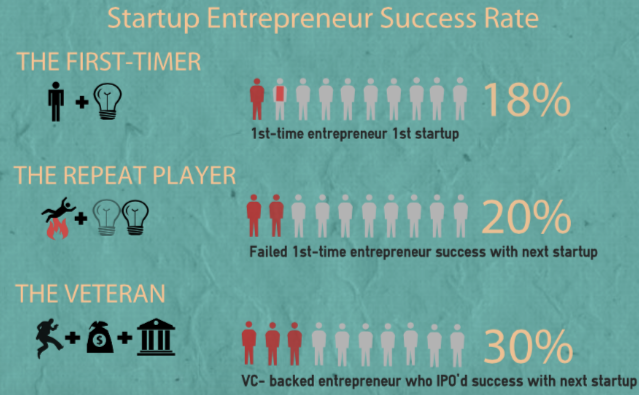
Things don’t always go as planned. Research shows that 90% of startup companies fail.
Sure, everything looked good on paper. You found the perfect name for your startup, but you hit some speed bumps along the way that you may not have been prepared for.
If your most recent business venture didn’t work out, it’s nothing to be ashamed of.
I get it. You poured your heart and soul into this project. The failure seems tough to overcome, especially if it cost you some money.
But your story doesn’t need to end here. You want to be an entrepreneur. That’s why you attempted to launch a business in the first place.
Don’t just accept defeat and try to get a standard nine-to-five job like everyone else out there. I know plenty of people who couldn’t get their startup off the ground.
You have two paths from here. You can either quit or move forward. Don’t fall into the group of entrepreneurs who quit.
I’ll show you how you can take that failed launch and turn it into an advantage that will move you forward. Here’s what you need to do.
Take a break
Launching a startup doesn’t happen in a week.
It starts with careful planning and research and then implementation of your ideas. You went through all the legal requirements of incorporating your business.
You spent time and money to develop products or software. Maybe you even built a mobile app.
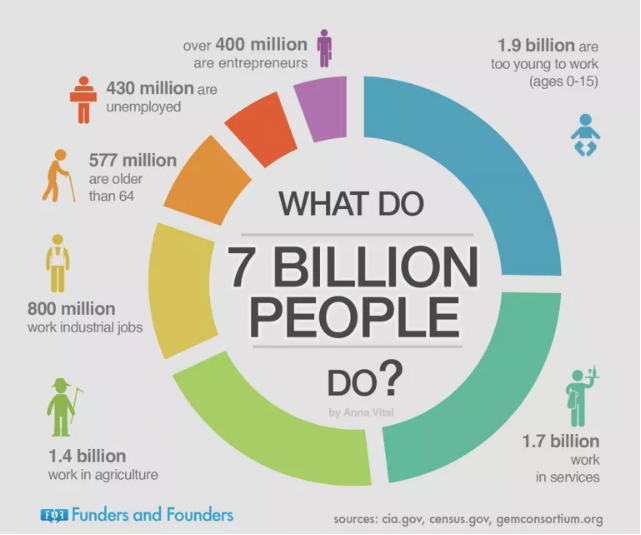
Being an entrepreneur isn’t for everyone. That’s why they make up the smallest population of the workforce across the globe.
Everyone’s situation is different. Your startup could have failed after a couple of months or even a couple of years.
But regardless of when you failed, I’m sure you put in tons of hard work. You had some long hours and sleepless nights.
Working this hard over an extended period of time can burn you out.
It’s possible the effect of this failed launch even impacted your personal life.
You don’t want to let this event negatively affect the relationships with your family and friends. These relationships are much more important than your business.
Use this time as an opportunity to correct any wrongdoings that may have occurred while you were working on the startup.
Step away and just relax.
I realize this can be tough, especially if you don’t have a steady source of income at this moment. But you need to find a way to recharge your batteries.
As crazy as it sounds, taking a vacation might be just what you need. Put your startup out of your mind. Focus on your physical and mental health before you do anything else.
Once you have a chance to clear your mind, it will be much easier for you to jump back on the horse for a fresh start.
Figure out what went wrong
Now that you’ve had a chance to take your mind off things for awhile, it will be easier for you to assess the situation—you’ll have a more objective perspective.
You need to be able to look at yourself honestly in the mirror. It’s time to determine why your startup failed.
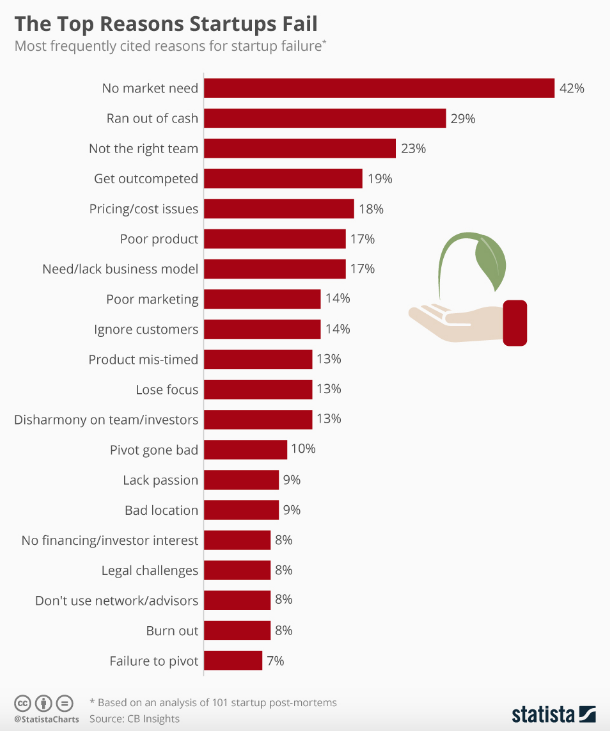
While it may be easy or convenient to blame someone else, you need to take responsibility for your actions. Here are the top reasons why startups fail:
If you look through this list, you’ll see many of these scenarios could have been avoided.
As the founder of your startup, you are responsible for making sure everything goes according to plan.
Let’s review the top three reasons for startup failure.
1. No market need
The number one reason why startups fail is because there wasn’t a market need. This should have been discovered during the early stages of the business. It’s your responsibility to conduct the proper market research. One of the first steps of launching a new business is to identify the target market of your startup.
If you skipped this step or took some shortcuts through the process, it could be the reason why you failed. Learning there was no market need for your startup could have saved you a ton of time, money, and effort if you figured this out in the early weeks or months.
2. Running out of cash
Running out of money could happen for a few reasons. Perhaps you either didn’t raise enough money or didn’t budget accordingly.
Again, both of those scenarios would fall on your shoulders.
Don’t get me wrong here, I’m not saying this so you can beat yourself up about it.
I just want you to figure out exactly what the problem was. Being in denial won’t help you move forward and turn your failure into a success story.
3. Not the right team
Surround yourself with people who can help you succeed. As you can see from the graph above, 23% of startups failed because the team wasn’t right.
Rather than blaming your team members for the demise of the company, make sure you find the proper people moving forward.
After all, who hired those team members? Don’t bring someone on board if they don’t bring anything to the table.
Research shows that founders with larger teams are able to pay themselves higher salaries.
But doesn’t mean you should be hiring a ton of people right away.
Make sure you work with people who are compatible with your management style, hard working, and skilled in areas where you are weak.
For example, let’s say you are an excellent marketer. Working with a partner who is also a great marketer may not be what you need if neither of you knows how to develop products or handle finances.
Don’t lose confidence
Failure can be an extremely humbling experience.
But you need to be able to find the balance between being humble and remaining confident.
Entrepreneurs typically have that “eye of the tiger” character trait that gives them an edge in life. Don’t lose that feeling and mentality just because of a mishap.
Sure, you may not approach your next venture with that feeling of invincibility you had when you started your last one, but you should always remain confident in yourself.
Your failed startup is just one minor event on the long timeline of your life. Don’t let it define you.
Instead, use it as motivation to bounce back and be better than ever.
Trust me, you weren’t the first person, and you certainly won’t be the last, who failed at something. People have been in situations far worse than yours.
Look at the positives in your life. You’ve got family, friends, and your health. Be thankful for what you have.
That’s because you’ve been through this process before. It won’t be as overwhelming the next time because you’ll know what to expect.
Learn from your mistakes
Now that you’ve taken the time to recognize what went wrong, learn from those mistakes.
During what stage did your startup fail? Was it before or after the launch?
Did you have problems with production? Was there an issue with your product?
The key is to make sure you don’t make the same mistakes twice. You can’t just blindly approach your next startup without keeping your previous mistakes in the back of your mind.
Don’t take any shortcuts. Make sure there is a market for your brand. Secure the proper funding to reduce the chances of running out of money.
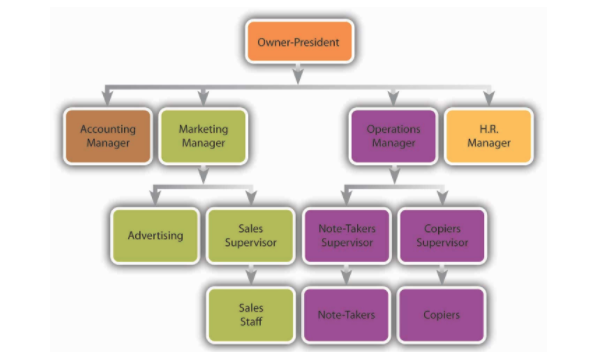
Bring in a partner or two if you need help. But it’s important to make sure everyone involved has a clearly defined role.
Obviously, these titles will vary based on your type of business. But you can still use this as a reference so everyone clearly understands the management hierarchy.
Don’t be so hesitant to raise money from outside investors.
You’ll have less equity in the company, but you won’t be crippled financially if things end up going wrong again.
Plus, the fact that others will have a stake in the business will make them care more too. They will also put in the effort to make sure the company is successful because they have money on the line as well.
Focus on your concept
Take the time to put some effort into your concept whether it’s:
a product
a service or
software
I’m assuming your idea falls into one of these three categories or potentially a combination of them.
Ask yourself these questions: Do I need to start from scratch? Or can I make a variation of my failed attempt?
Sometimes, you may not need a completely new idea for a business. On the other hand, it may be in your best interest to start over with a new concept.
Everyone’s situation is unique.
It’s possible your product or concept wasn’t the issue that led to the failed launch. There may have been problems with budgeting, marketing, or some other factor that hindered your success.
If that’s the case, you could just launch another startup with the same concept under a different name.
Develop a detailed business plan
After you’ve taken the time to analyze your failure, it’s time to get back on the horse.
Whether you’re going to launch with the same concept or a new one, you have to start with a business plan.
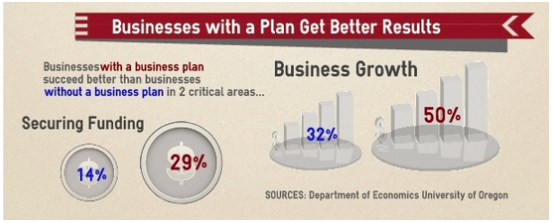
Learn how to write a business plan for your startup. Business plans will keep you accountable for your actions. If you put something on paper, you’ll make the effort to follow through with it.
Plus, writing a business plan increases your chances of securing funds and growing your business.
As a result, your chances of success will be much higher.
The first step of writing a business plan is clearly defining your target market. This will tell you exactly whom your brand is for.
Research your competitors. Is your product already available on the market? With whom are you competing?
This will help you come up with a strategy separating you from the crowd.
Set a realistic budget. Recall our discussion about investors. Make sure you raise enough money so that you don’t have to worry about running out of cash.
Include a financial section of your business plan. When will you break even? Display your cash flow projections and expenses.
Account for everything to make sure you can survive until you have a steady income.
Your business plan should include a plan to market your startup company.
Conclusion
If your new idea for your business feels like it has legs, go for it.
Be confident in yourself and this new idea. Go through the steps carefully without taking any shortcuts.
Just don’t rush into things. It’s important for you to take a break in between these launch attempts. Take the time to analyze what went wrong so you can learn from your mistakes and avoid repeating them.
Entrepreneurship isn’t for everyone.
Don’t feel obligated to start a new business right away if you’re not ready. You may decide to try something else in the meantime.
But as we discussed earlier, you’ll have a greater chance of succeeding the next time around, so don’t be discouraged by what happened in the past.
Turn your idea into a reality.
How were you able to identify what went wrong with your first startup launch?
Opinions expressed by Entrepreneur contributors are their own.
We all know that it takes hard work to achieve our goals. And in the world of business and entrepreneurship, we often hear how we must be willing to sacrifice weeks, months, even years of slaving away to suceed.
But what if we’re all just doing it wrong? What if there was a way to accomplish a huge to-do list in less than half the time it would normally take? Barring the discovery of a time machine or a wormhole, you might say this is impossible. But with a little practice and self-control, it’s possible to get to the finish line before most people even start the race.
The Pareto principle is a universal truth that can help us recognize where to focus our efforts to be most productive. The basic rule of thumb works like this: 80 percent of results will come from just 20 percent of the action. In other words, roughly 20 percent of your customers will account for 80 percent of your total profits. Likewise, about 20 percent of your daily tasks account for your most important and time-consuming projects. The remaining 80 percent of daily tasks are relatively low-level functions and less important undertakings.
Having a laser-like focus on those top 20 percent of tasks is the most valuable use of your time. Once those tasks are complete, you can work on the bottom 80 percent, or delegate those tasks to others. Keep yourself on track by always asking yourself: “Is this one of my top 20 percent most important activities, or is this a bottom 80 percent task?”
The same goes with other areas of your business. Focus on strengthening your relationship with the 20 percent of people who are your money makers: those who are consistently working hard for you or are your top clientele.
Procrastination often hits us when we’re feeling overwhelmed. We avoid starting a huge project because it feels daunting and we can’t imagine how we’ll tackle it. So stop trying to take on monster-sized jobs. Break tasks into manageable pieces so you’re just taking on one small task at a time. Make sure your to-do list is broken into tasks that can be accomplished relatively quickly -- a half hour or less. Then start using a stopwatch to kick your focus into high gear.
Set a timer for 20 minutes and tell yourself you must stay totally focused until it goes off. You’ll be shocked by how much you can accomplish! And once you’ve finished the allotted time, you may be motivated to keep going -- how much more can you do in another 20 minutes?
Most of us are really good at a handful of things, and are average or OK at everything else. The best use of your time is to focus on the areas where you’re strongest. If you can hand the other tasks off to someone else, you’ll have more time to focus on the tasks you’re best at. You can do this by outsourcing jobs that you don’t excel in.
Outsourcing might mean hiring someone or using a form of automation technology. Tasks that may be easy to outsource include web developer, content writer, graphic designer or a general virtual assistant, who can ease the burden of many daily tasks such as setting appointments or returning emails.
What time of the day do you have the most energy? When are you most creative? In order to be efficient and make the most of your productivity, you have to know how to manage your energy. You have to understand your body’s natural timetable. Is there a time of day when you always feel in a slump or a time when you feel raring to go? Prioritize important tasks to those times when you know your mind is alert.
In order for this to work, you must have established routines. This will help you create a pattern so you can observe your natural rhythms. When you know you’re at your best, focus on detail-oriented and difficult tasks. And remember to give yourself breaks to keep your energy level high throughout the day.
Your ability to focus is key to your productivity and getting more done in a short amount of time. Researchers have found that it takes a typical office worker 25 minutes to return to the original task after an interruption. Work interruptions also decrease accuracy by 20 percent.
By eliminating distractions, you’re giving yourself back all that wasted time. Try scheduling chunks of uninterrupted time that allow you to dive into a project. And as much as possible, avoid leaving things half done. If you start something, finish it! Each day, set goals you want to accomplish and then make it happen.
Your smartphone is one of the biggest distractions. The average person can’t leave their phone alone for six minutes, and most of us check it up to 150 times per day! So if you need to be hyper-focused on something, work on one screen at a time. Turn off your smartphone notifications or try putting your phone away for periods of time.
We used to think multitasking could help us accomplish more, but we now know that the human brain wasn’t designed to focus on more than one thing at once. However, most of us find ourselves toggling between web pages, email, text messages and the task at hand, and then we wonder why we never seem to get anything done. It’s time to start monotasking.
Monotasking, also known as single-tasking, is about focusing on one thing at a time so we get more done. It requires you to break your multitasking habits. Because we live in a highly connected world, that’s not always easy or even possible for every task. But monotasking allows you to get into deep work, where you can really focus on a demanding task.
Try setting aside two to four hours daily when you can focus on one thing without interruption. It may take a while to develop this skill, but eventually you’ll be able to engage both sides of your brain to make incredible breakthroughs that have an impact on your business.
It can be annoying when a tantalizing thought enters your brain when you’re in the middle of doing something else. “I need to remember to this!” you tell yourself. And then you try to set the thought aside, while simultaneously trying to remember it.
As you may have learned from experience, trying to remember a thought while you’re involved in a task often fails. However, if you write it down you can truly let it go, knowing you can reexamine it later. You close the loop. If you rely on memory, you’re either wasting energy trying to remember it, or you forget it completely and lose the value of that idea. Either way, it’s a waste.
Make sure you capture these random thoughts and ideas, either in a notebook or in an app that you always have handy. This can be part of a massive, ongoing brain dump that you can refer back to and will ensure that you don’t lose that lightning bolt of genius, or forget that you need to pick your suit up from the cleaner. Just be sure to review your notes on a regular basis!
It’s nearly impossible to be hyper-productive if you’re feeling exhausted, hungry or overwhelmed. It’s important that we continue to engage in self-care, even when we’re slammed at work or are feeling overwhelmed with projects. You’re not a machine -- you need rest, food and a clear mind to perform well. That means ditching junk food and fast food, and nourishing your body with healthy meals and snacks. It means getting a solid eight hours of sleep at night, exercising during the day and carving out time for mental breaks.
Taking even a few minutes out of your day to focus on your breathing or to meditate can help you clear your mind. Another option is to go for a quick power walk or take the stairs rather than the elevator in your office building. These activities will help reinvigorate you so you can focus. Think of it as a reboot for your brain.

 Campaign Committee, the Democratic National Committee and Clinton presidential campaign.